
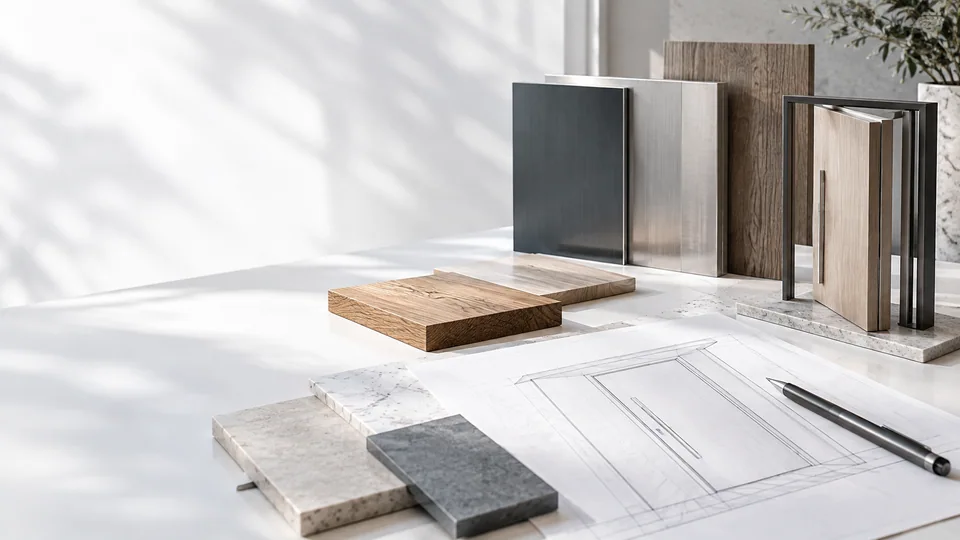
Custom door procurement works best when design choices and technical decisions are recorded together. The process begins with your project conditions and ends with an agreed supply package. The stages below describe the information to prepare and the approvals to seek; timing and available services are confirmed for each proposed order.
1. Send a useful project brief
Start with the country, buyer role, product families, approximate quantity and opening references. Include dimensions with units, intended application and any critical performance requirement. Photographs, elevations and a door schedule can explain conditions that a short message cannot.
Use Request a Quote to begin. If secure document transfer is needed, request the current submission method from the sales contact rather than posting private project files at a public URL.
2. Review the proposed configuration
Separate the frame, leaf or panel, finish, glazing and hardware. Identify the details that are fixed and the choices that remain open. The technical review should address opening movement, supports, clearances, exposure and installation interfaces for the particular system.
| Decision | Record to retain |
|---|---|
| Dimensions and handing | Identified drawing revision and measurement responsibility |
| Visible finishes | Approved sample or agreed reference, including acceptable variation |
| Hardware and glazing | Component description, preparation and confirmed options |
| Performance | Relevant requirement and available assembly-specific evidence |
Unknown values remain questions for review. They should not be replaced with a typical dimension or a competitor’s specification.
3. Agree the quotation and approvals
Check included, optional and excluded items. Confirm the supply entity, currency, payment arrangements, packing, delivery handover and responsibilities outside the product package. Commercial terms belong in the written quotation and accepted order documents.
Approval should name the drawing and finish revisions being accepted. A change after approval may affect engineering, materials, cost or timing, so submit changes in writing and wait for an updated agreement before treating them as accepted.
4. Coordinate checks and delivery
Agree the appropriate inspection records and identification labels for the order. Discuss how glass, long tracks, finished surfaces and loose hardware will be protected. Confirm access and unloading arrangements with the receiving party, together with the installation documents required on site.
At receipt, reconcile the packages against the packing list and keep records of any visible discrepancy. The shipping guide and warranty and care information explain what information supports a clear follow-up. No single production or transit duration applies to every custom door order.