
In this guide
Record the shipment identity, crate labels, visible condition and the agreed receiving procedure. Plan safe unloading and storage first, then reconcile the delivered packages with the packing list before detailed inspection.
Use the door collections to keep different systems clearly identified. Entrance doors, interior sets and garage door assemblies may arrive with different component and documentation requirements, so one generic count of doors is not enough.
Which documents should be ready before the doors arrive?
Collect the purchase order, approved drawing revisions, finish references, component schedules and available shipment records. Ask for a packing list that connects each crate or package to the relevant door identifiers. Establish who is authorized to receive the shipment and record concerns.
Confirm unloading equipment, access and storage arrangements with the responsible local team. Use the shipping and packaging guide to clarify the intended handover and handling information. Import procedures, charges and contractual responsibilities should be confirmed for the actual order by the parties responsible for them.

Record condition before moving everything apart
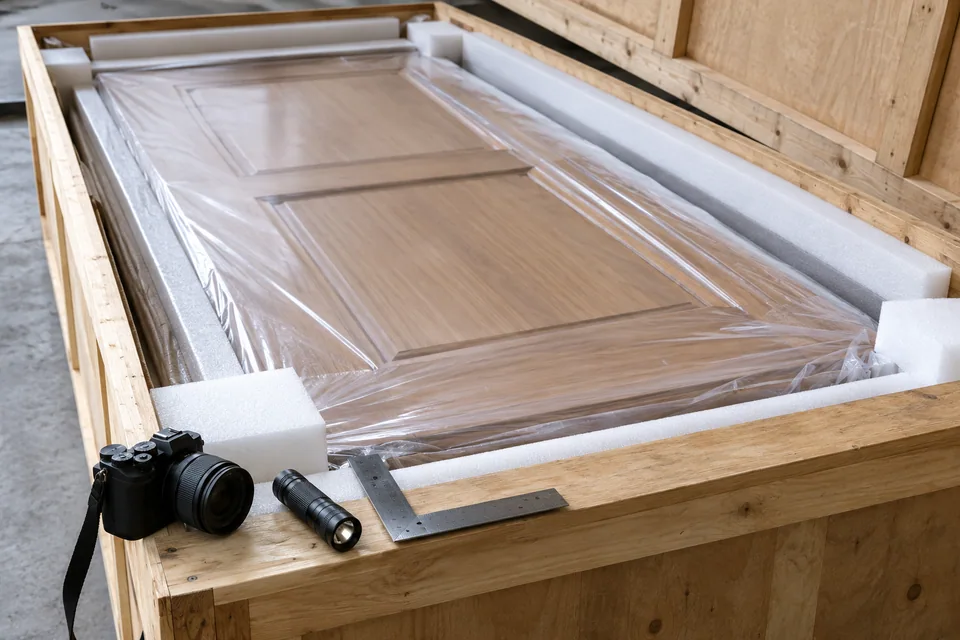
Photograph package labels and visible condition in a way that can be matched to the delivery record. Note discrepancies in package counts and retain relevant carrier documents. Follow the agreed receiving and reporting process rather than assuming a universal claim deadline.
Keep the evidence organized by shipment and package. If a package appears damaged or handling is uncertain, obtain the appropriate instructions before opening or moving it further. The objective is to preserve a clear record while allowing the receiving team to work safely.
Inspect against a practical checklist
| Inspection area | Record to compare | Evidence to retain |
|---|---|---|
| Package count | Packing list and delivery documents | Labeled package photographs |
| Door identity | Opening schedule and crate labels | Door-to-package reference |
| Visible finish | Approved sample and order description | Overall and detail photographs |
| Glazing | Accepted glass schedule | Pane and label records where supplied |
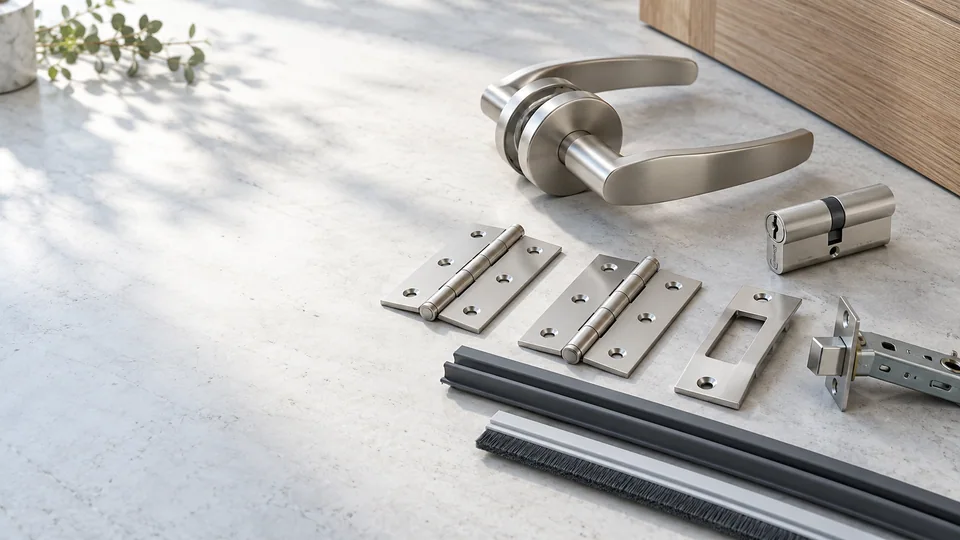
| Hardware | Bill of materials and quantities | Identified missing or affected items |
| Documents | Agreed manuals and configuration records | Document titles and revisions |
Inspection should use the agreed acceptance scope. It should not turn into unplanned modification, dismantling or mechanical adjustment.
Separate a visible concern from a diagnosis
Describe what can be observed: an affected surface, a missing package, a different label or a component that does not match the schedule. Include the door identifier, location of the concern and photographs. Avoid guessing the cause before the supplier and installer have reviewed the information.
The quality and project requirements guide helps structure this record. For garage doors, leave spring, counterbalance and powered-system work to capable personnel using the applicable instructions. Receiving inspection is not a substitute for installation or commissioning.
How should a receiving exception be documented?
Use one exception record per affected order line. Include the crate identifier, drawing revision, description, photographs and the action requested. Separate a visible transit issue from a missing component or a difference from the approved specification; each may need a different resolution.
For steel assemblies, SDI’s jobsite storage guidance identifies dry, covered storage and moisture control as protection measures. Follow the actual manufacturer’s handling instructions for glazed or heavy doors. This inspection record is not a guide to lifting equipment or field repairs.
Photograph the overall package and a close view of the issue while retaining the label in the record. Follow the reporting deadlines and claim procedure in the actual transport and supply agreements. Do not invent a standard claim window. Keep affected parts identifiable and seek written instructions before alterations that could obscure the original condition.
Close the record before installation proceeds
Assign each concern an owner and keep the written response with the affected order line. Confirm any approved repair, replacement or additional inspection in writing. Preserve packaging and parts as directed while the issue is assessed.
Use the support contact route with the order reference and evidence package when assistance is needed. Once the receiving checks are complete, store components according to the supplied guidance and retain the final records for the installer. A traceable receiving process makes it easier to distinguish supply, transport and site questions without inventing the cause or overlooking missing information.
Before you specify
Questions worth asking
Does signing a delivery receipt complete the technical acceptance?
Not necessarily. Follow the agreed receiving and claim procedure, and distinguish package receipt from detailed specification checks in your project records.
Sources & further reading
About this guide
A practical starting point.
Use this guide to prepare your project brief and compare proposals. Construction details and installation requirements must be checked against the selected system and its approved documents.