In this guide
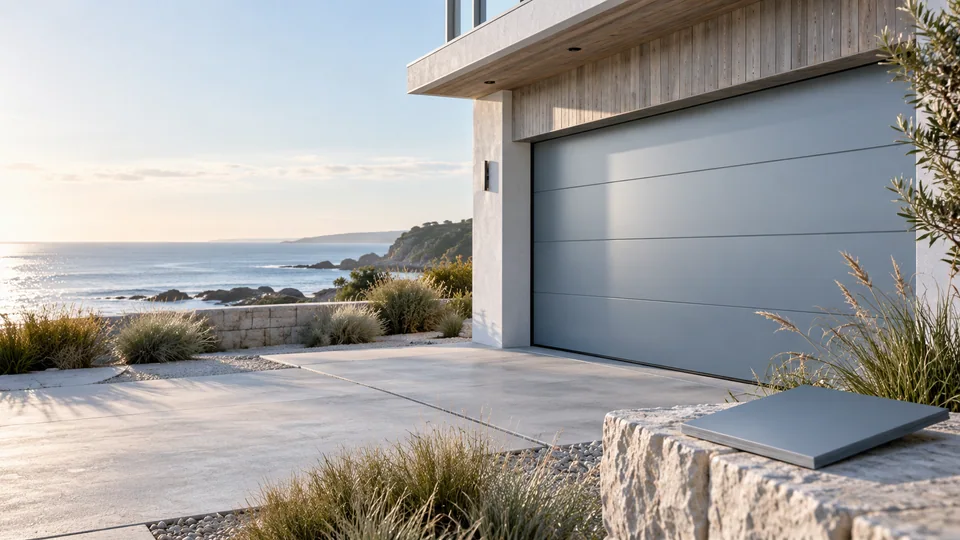
Describe direct spray, wind exposure, shelter and cleaning access, then ask for a finish proposal suited to the actual substrate and assembly. Distance from the shore alone is not a complete exposure specification.
Start with the proposed system in the garage door collection. Provide the project location and exposure information before asking a supplier to recommend a finish or confirm any written warranty terms.
What coastal exposure information does the supplier need?
Tell the supplier whether the opening is sheltered or exposed and provide photographs of the facade, canopy and surrounding drainage. Explain access for cleaning and any site conditions the project team considers relevant. “Near the sea” is useful context, but it is not a complete specification.
Ask the responsible project professional to identify any required material or performance evidence. Keep that requirement separate from the preferred color or timber-look design so that neither decision gets lost when the quote is prepared.
Build a component-level review
| Assembly area | Procurement question | Record to request |
|---|---|---|
| Visible panels | What substrate and finish are proposed? | Material and coating description |
| Frames and edges | How are different faces and joints treated? | Finish schedule or detail |
| Hardware | What materials and surface treatments are proposed? | Identified component list |
| Tracks and brackets | What exposure assumptions apply? | System documentation |
| Site interfaces | What installation details require coordination? | Accepted drawings |
| Care | What tasks and limitations accompany the proposal? | Supplier care document |
This review should be tied to the actual door configuration. A favorable statement about one coating product does not answer every question about the assembled door.
Evaluate finish evidence and samples separately
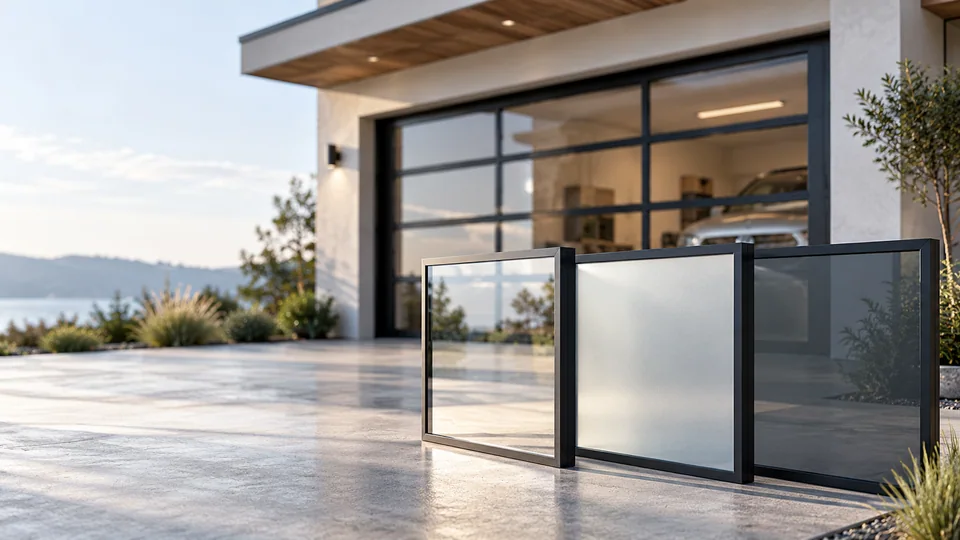
A sample establishes the intended appearance. Product and process documents support the finish proposal. Ask for both, and record which components each document covers. The powder coating guide helps organize the product identity, preparation and sample questions.
For wood-look aluminum garage doors, confirm the substrate and finish process explicitly. Review any relevant limitations with the supplier rather than assuming the decorative grain creates additional protection or eliminates care requirements.

Plan receiving and installation protection
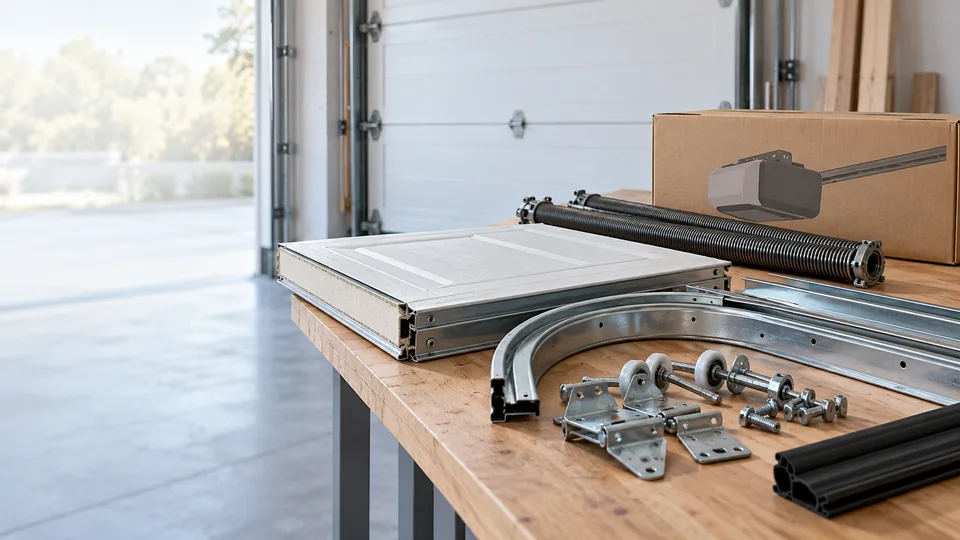
Ask how finished faces, edges and separate hardware are protected in transit. The receiving team should record visible package condition and link any concern to a door or component identifier. Keep the packing list and photographs together.
The shipping and packaging guide supports this handover. Agree who assesses visible damage and who approves a repair method. Site cutting, drilling or adjustment that affects a specified finish should be discussed with the supplier and installer before work proceeds, using the relevant product instructions.
Separate the visible finish from the rest of the assembly
Make a finish record for panels, frame pieces, fasteners, track and operating hardware. Some of these may be different materials or receive different protective treatments. A premium panel coating cannot be assumed to protect every concealed component.
For architectural aluminum, FGIA’s 2026 coating-document update identifies the relevant family of organic-coating specifications. Check the specified edition and the supplier’s applicable evidence; the document name alone does not establish coastal suitability or a warranty term.
Ask who can inspect and maintain the less accessible areas after installation. Record the cleaning method provided for the selected finish and a route for reporting damage. Where the proposal excludes direct salt spray or requires a care schedule, resolve that condition before approving the order rather than discovering it in the handover pack.
Approve a care plan with clear responsibilities
Request the written cleaning and inspection instructions for the proposed assembly. Establish who will carry out the care and how concerns will be reported. Where the supplier offers terms related to finish performance, record the scope, exposure limitations and maintenance conditions exactly as agreed.
Use the quality and project requirements page to collect unresolved evidence questions before order approval. The final decision should identify a reviewed assembly, a specific finish and a practical care plan. Avoid promises such as never rusts or permanent color retention when the actual product, location and terms have not been documented.
Before you specify
Questions worth asking
Does aluminum mean a coastal door needs no maintenance?
No. The complete assembly includes finishes, fixings, moving parts and junctions with their own care requirements. Use the supplier’s instructions for the actual configuration.
Sources & further reading
About this guide
A practical starting point.
Use this guide to prepare your project brief and compare proposals. Construction details and installation requirements must be checked against the selected system and its approved documents.